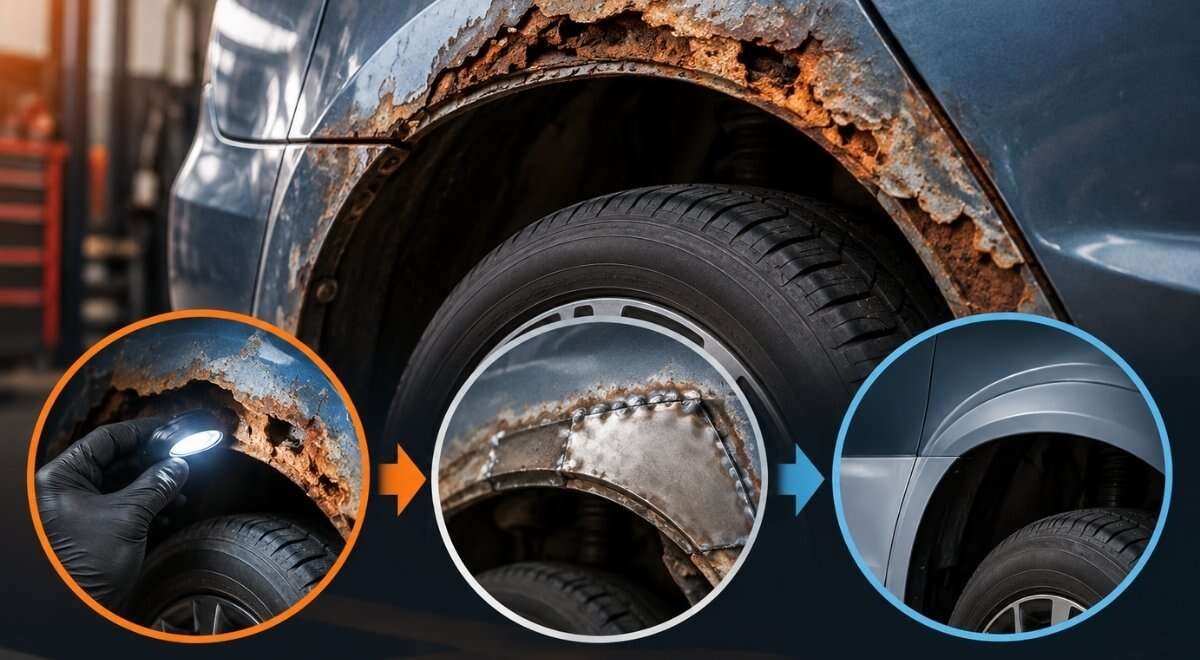
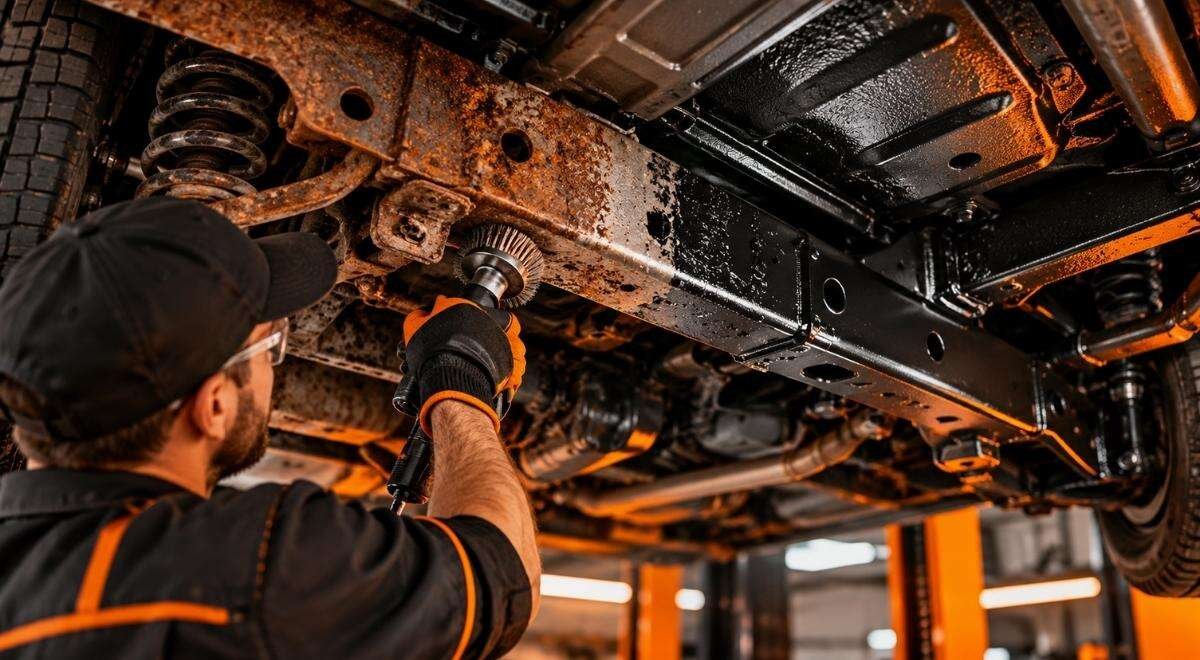
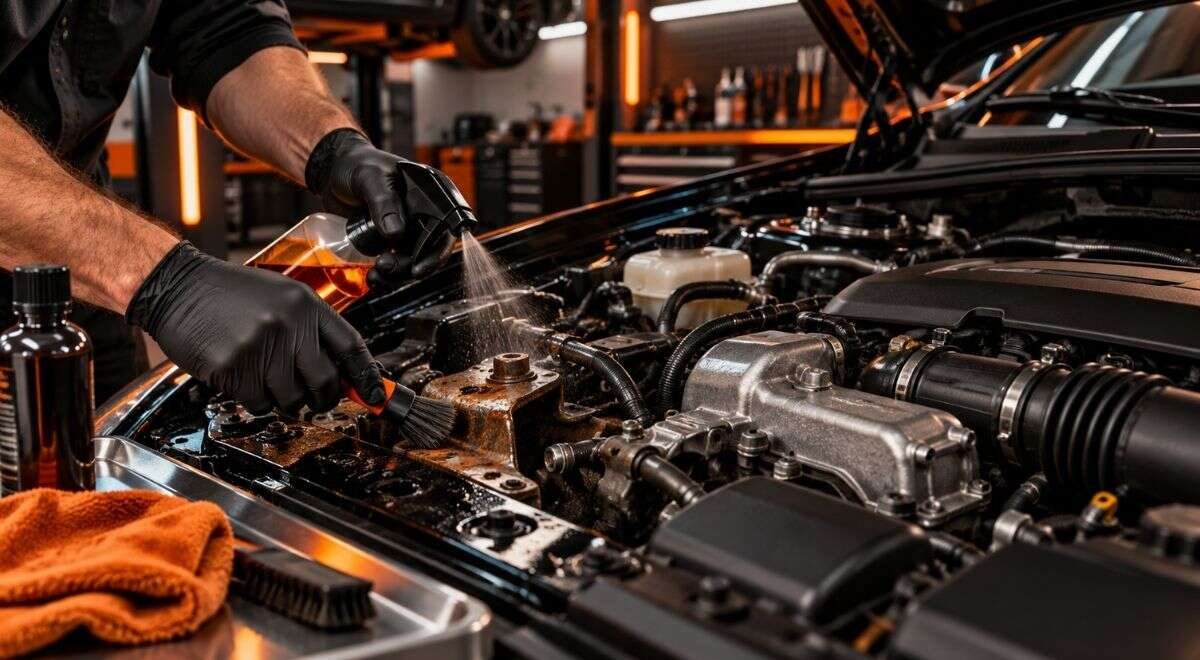
For rust repair wheel arch damage, the right fix depends on whether corrosion is only on the outer surface, has perforated the panel, or has reached the inner arch or a nearby structural part. A proper repair removes weakened metal and restores the affected layers; covering bubbling rust with filler or coating may hide it without stopping it. In Central Massachusetts, where winter road salt can collect behind wheel liners and at folded seams, ask for an inspection of both sides of the arch before choosing a patch or replacement.
What wheel arch rust repair means
Wheel arch rust repair is the process of identifying corrosion around a wheel opening, removing metal that has lost integrity, and rebuilding the affected body or structural layers so the area can be protected again. It is not one standard operation. The repair could be limited to surface preparation and refinishing, or it could involve cutting out a section of outer quarter panel, inner wheelhouse, or both.
A wheel arch has several parts that can look like one continuous lip from outside. The visible outer panel may be folded over an inner panel, with a seam, sealant, liner, or trim nearby. Rust visible on the lip can therefore be a clue to corrosion hidden between layers. Once water and salt get into a seam, the outside appearance may understate how much metal has thinned.
Rust forms when iron or steel corrodes in the presence of oxygen and moisture. Salts can contribute to corrosion by making water more electrically conductive; see the basic rust chemistry described by Encyclopaedia Britannica. For vehicle owners, the practical point is that a damp, salt-contaminated seam is not equivalent to a dry scratch in the paint: the seam can keep corrosion active out of sight.
- Surface rust: discoloration or light scale, with metal still intact after cleaning.
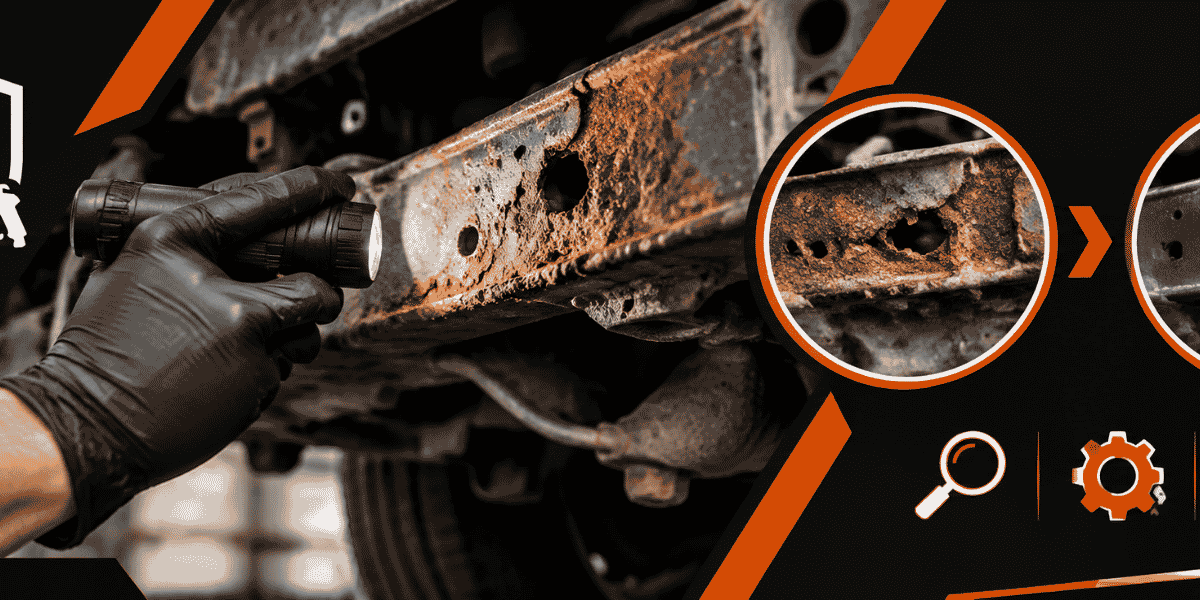
- Perforation: a hole, pinhole, or edge that breaks away because the panel has lost material.
- Layered corrosion: swelling or separation at the folded lip, often involving the inner and outer panels.
- Structural involvement: corrosion extends to a reinforcement, suspension mounting area, or frame component and needs a broader assessment.
Those categories describe condition, not a guaranteed repair method. The amount of sound metal remaining and the vehicle’s construction determine whether a repair can be localized.
Why the location and depth matter
A small blister can be more consequential than a larger patch of surface discoloration if it sits on a seam or has already lifted the folded edge. Conversely, a wide but shallow area may be repairable without replacing a major panel if the metal remains sound. Visible area alone does not establish repair scope. Inspection should include the back of the panel where accessible, the wheelhouse, the arch lip, and nearby seams.
For a daily driver, a compromised arch can let water and grit reach adjacent panels and create recurring paint failure. For a classic or specialty vehicle, the decision also affects panel originality, seam appearance, and how much original material can be retained. For a fleet truck, a damaged wheel opening may be one item in a larger corrosion inspection that also checks the frame and mounting points.
Structural concerns need a different level of attention from cosmetic ones. Federal commercial-vehicle rules, for example, prohibit a truck or truck-tractor frame from having a crack, loose joint, or defect that adversely affects safe operation; the applicable frame requirements are set out in 49 CFR § 393.201. That rule is for covered commercial vehicles, not a universal passenger-car repair standard, but it illustrates why corrosion near a load-bearing component must not be treated as a paint problem.
Use these examples to frame the inspection conversation, not as a substitute for examining the vehicle:
- Example 1: A few paint bubbles on the outer arch, with no visible edge swelling. Ask the shop to remove enough finish to establish whether the steel beneath is still sound.
- Example 2: A split or flaky wheel-arch lip. Ask whether corrosion has passed through the folded seam and affected the inner wheelhouse.
- Example 3: A hole above a rear wheel with rust staining inside the cargo area. Request inspection from both sides and a repair plan that identifies which layers need replacement.
- Example 4: Rust near a suspension attachment or frame section. Pause cosmetic work until a qualified repairer assesses structural condition and the vehicle-specific repair requirements.
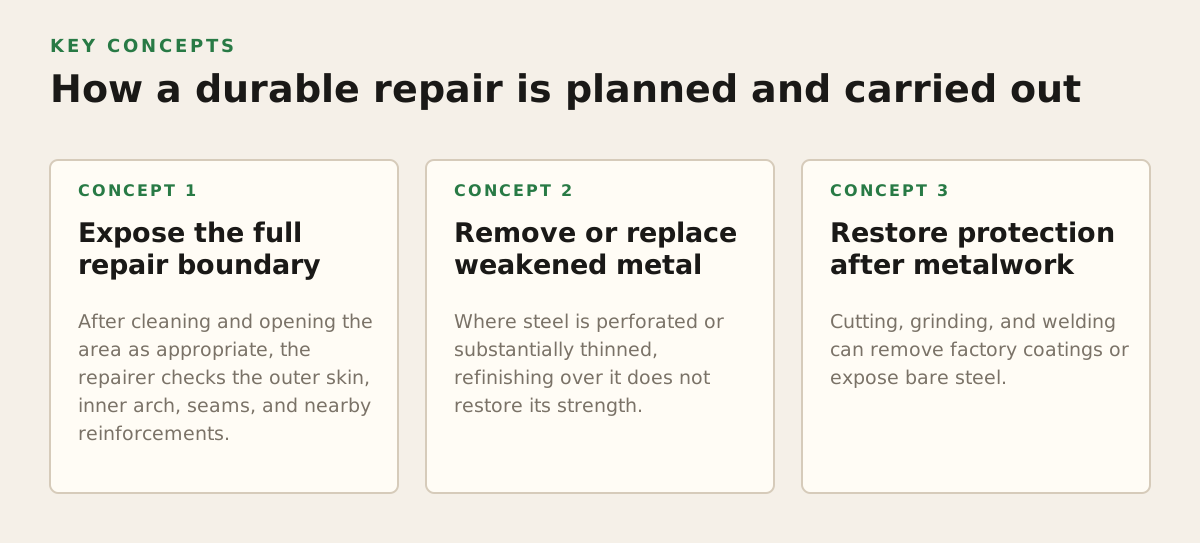
How a durable repair is planned and carried out
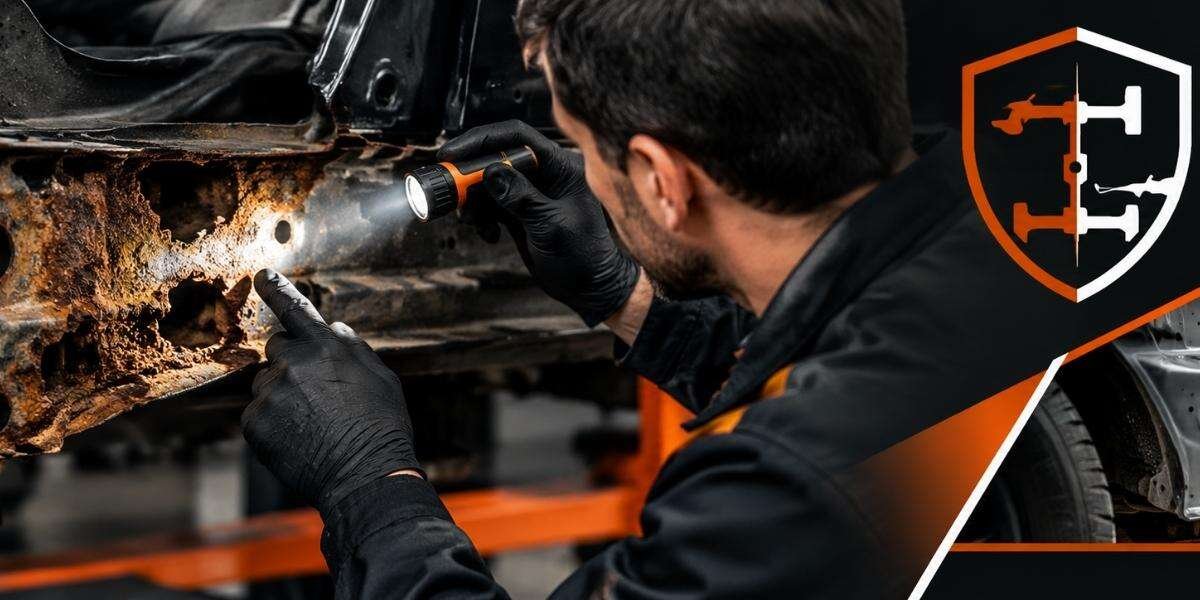
A sound repair begins with access and diagnosis, not filler. The technician may need to remove a wheel, liner, trim, or interior access panel to see where corrosion extends. Paint, seam sealer, undercoating, and scale can conceal the boundary. The repair area should be defined by sound metal, not just by the edge of the visible stain.
Expose the full repair boundary
After cleaning and opening the area as appropriate, the repairer checks the outer skin, inner arch, seams, and nearby reinforcements. If corrosion continues behind a panel or into a joint, the estimate and repair plan may change. That is not automatically evidence of poor planning: hidden corrosion is one reason an initial visual estimate should be treated as provisional until the area is exposed.
Remove or replace weakened metal
Where steel is perforated or substantially thinned, refinishing over it does not restore its strength. A repair may use a formed patch or replacement panel, depending on the location, extent of damage, panel construction, and availability of a suitable component. The repairer should explain whether the proposed work is a localized metal repair or a larger panel replacement and why the cut line is appropriate.
Welding method and joining locations matter because modern vehicles can combine different steel grades, coatings, adhesives, and structural designs. A technician should follow the vehicle maker’s repair information for the specific model rather than assume an older vehicle’s method applies. I-CAR’s Repairability Technical Support provides collision-repair information and is one resource for understanding why vehicle-specific procedures matter; the repairer should still consult the applicable manufacturer information for the actual work.
Restore protection after metalwork
Cutting, grinding, and welding can remove factory coatings or expose bare steel. After the metal repair, the affected surfaces need appropriate primer, seam sealing, paint, and protection in accessible cavities, selected for the repair materials and vehicle design. Coating is a finishing protection step, not a replacement for removing failed metal. Spraying over loose scale or into a wet, contaminated cavity can conceal rather than resolve the condition.
Welding and cutting also require safe work practices, including control of fumes and fire hazards. OSHA’s guidance on welding, cutting, and brazing describes workplace hazards and precautions; owners should leave this work to an appropriately equipped repair facility rather than attempt structural or panel welding as a casual DIY task.
Where wheel arch repairs fail or need a wider scope
Most disappointing repairs have a mismatch between the visible symptom and the work performed. A skim of filler can make a panel look smooth while rust remains beneath it. A patch can also fail early if corrosion was left along its edge, the joint was not protected, or the inner panel was ignored. Ask what metal is being removed and what surfaces will be protected afterward.
Common warning signs to discuss with the repairer include:
- Fresh bubbles returning along the same edge after a previous repair.
- Cracked filler or paint at the arch lip, which may indicate movement, poor adhesion, or corrosion continuing underneath.
- Swollen seam sealer or a visible gap between the outer arch and inner wheelhouse.
- Rust flakes or damp debris trapped behind a liner, mud flap, or trim panel.
- Corrosion spreading to a nearby mounting point, reinforcement, or frame section.
There are limits to what an arch repair can accomplish. If adjacent panels are also corroded, repairing only the easiest visible section may leave the vehicle with a short-lived cosmetic improvement. On an older vehicle, extensive replacement may cost more in labor and paint work than the owner considers sensible; on a restoration project, preserving correct shape and fit may justify more careful panel work. The decision should account for vehicle value, intended use, access to parts, and the condition of surrounding metal—not just the size of the first hole.
After repair, a return inspection is useful if the area was heavily corroded or hidden layers were involved. Check the finish and seams after the repairer’s stated curing period, and ask how to keep drain paths clear. Do not assume a wheel-arch liner should be removed permanently: liners can reduce direct debris exposure, but their mounting and drainage must remain correct for that vehicle.
How owners, fleets, and restoration shops should apply the process
Before authorizing work, request a description of the damage in terms of panels and layers. A useful estimate says whether the outer arch, inner wheelhouse, or adjacent structure is affected; what will be removed or replaced; and how the repaired area will be sealed and protected. Photographs taken after access is gained can help an owner or fleet manager understand why the scope differs from the first visual inspection.
- For a used-car buyer: have a shop inspect the back of suspicious arches and nearby structural areas before purchase. Fresh undercoating or recent paint is not proof of a sound repair; ask what lies beneath and whether documentation is available.
- For a new-vehicle or leased-vehicle owner: follow the manufacturer’s cleaning and maintenance guidance, especially after winter use. Ask about approved corrosion protection before applying products that could affect inspection, service, or lease-return requirements.
- For a fleet manager: record the vehicle, affected location, repair scope, and follow-up inspection date. A consistent inspection route makes it easier to distinguish a recurring arch issue from separate frame or underbody corrosion.
- For a restoration shop: agree on the target before cutting: preserve original material where sound, replace compromised layers, and document hidden damage for the owner. Coordinate any outsourced blasting or metal repair with the bodywork and coating sequence.
For vehicles that are still structurally sound, prevention can reduce how often salt and wet debris remain against vulnerable areas. That may include cleaning wheel wells and seams, keeping drains open, and considering suitable rust prevention undercoating after inspecting the existing condition. Undercoating is not a remedy for active, layered corrosion, and the surface should be prepared appropriately before protection is applied.
When corrosion extends beyond an arch into multiple underbody parts, a broader cleaning and inspection plan may be more appropriate than piecemeal cosmetic work. frame-off rust removal is a different scope from a localized wheel-arch repair and should be considered when the vehicle’s condition warrants access to and treatment of the frame and components. Bay State Rust Prevention provides rust removal, frame repair, and WaxOyl corrosion protection for vehicles in Worcester and Central Massachusetts; baystaterustprevention.com to discuss the damage and the inspection needed before choosing a repair scope.