Auto rust frame repair may be possible when an inspection shows that the damaged structure can be repaired using a method suitable for that vehicle. The decision depends on where corrosion has reached, whether enough sound metal remains around the damage, and what repair information applies—not just the size of a visible hole. A repair might involve a limited structural repair, replacement of a damaged section or component, or a decision not to proceed if the condition cannot be addressed safely. Begin with an assessment, not a patch or protective coating.
Establish what is damaged before choosing a repair
A frame can have visible surface rust in one place and more serious corrosion hidden inside a boxed rail or around a joint. A quick look at the outer face may not show whether corrosion has weakened an attachment point or spread beyond the obvious spot. The first useful answer is therefore not “Can this hole be patched?” but which structural parts are affected, how far the damage extends, and what condition the surrounding metal is in.
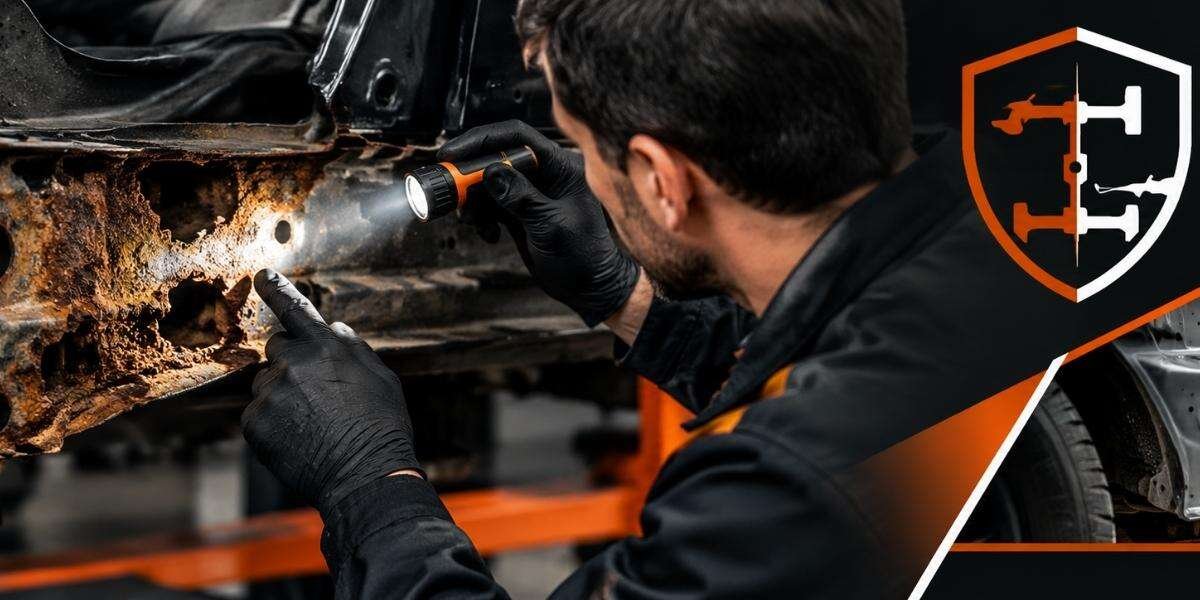
Ask for an inspection that identifies the affected component and explains what was examined. Depending on the vehicle and access, that may mean looking at seams, cavities, crossmembers, body mounts, suspension attachment areas, and nearby sections—not only the easiest visible surface. If dirt or a thick coating hides the metal, the inspector should explain whether more access or preparation is needed before deciding on a repair.
In the United States, federal frame-integrity rules at 49 CFR § 393.201 apply to commercial motor vehicles covered by those regulations. They are not a universal repair specification for every passenger vehicle or light truck. Massachusetts owners can consult the state’s vehicle inspection information, but an inspection program result should not be treated as a detailed diagnosis of concealed corrosion or a repair plan.
What a useful assessment should cover
Ask the inspector to connect the observed damage to the proposed next step. Notes or an estimate are more useful when they name the component and location, distinguish visible corrosion from suspected concealed damage, and state whether additional access is needed. Useful questions include:
- Location: Is the corrosion on a rail, crossmember, bracket, body mount, suspension attachment, or more than one part?
- Extent: Does it appear confined to one area, or does it continue into a seam, adjoining component, or enclosed section?
- Remaining material: What was checked to determine whether the metal around the proposed repair is sound enough for that work?
- Related components: Are nearby mounts, lines, supports, or other parts affected and in need of separate attention?
- Repair basis: What vehicle-specific information will guide the method?
These are questions for the person assessing the vehicle, not a checklist that lets an owner diagnose structural safety at home. A visual clue can justify closer inspection, but it does not establish the full extent of corrosion or prove that one repair method is appropriate.
Read visible rust as a warning, not a diagnosis
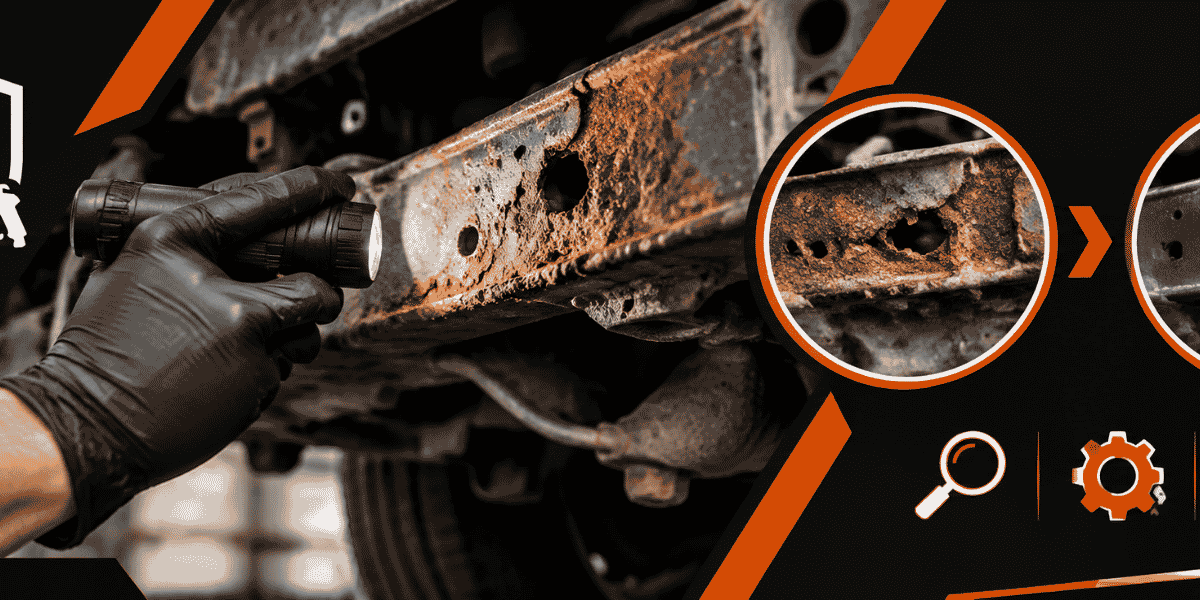
Surface rust affects exposed metal; structural corrosion can weaken a component that supports or transfers load. The appearance of a spot cannot reliably show which condition is present. A small opening near an attachment point may call for a closer assessment, while a larger area of superficial discoloration may not represent the same kind of structural damage. Location and the condition of the surrounding metal matter alongside visible size.
Scaling, flaking, a swollen seam, a hole, or a bulge can all be reasons to investigate. None proves on its own how far the corrosion reaches. Likewise, a neat-looking rail is not necessarily sound if rust is trapped inside a boxed section or beneath an older coating. Do not use a new-looking undercoat or patch as evidence that the metal underneath has been assessed.
Clues that call for a closer look
Use the following examples to describe what you see and ask a repairer a focused question. They are not stand-alone pass-or-fail tests:
- Flaking at a frame seam: ask whether corrosion continues between the joined surfaces.
- A hole near a suspension attachment: ask whether the attachment and surrounding structure remain suitable for the proposed work.
- Rust on a bracket: ask whether the damage is limited to the bracket or involves the structure it attaches to.
- A blister under an older coating: ask what preparation is needed to inspect the metal beneath it.
- Corrosion suspected inside a boxed rail: ask how the concealed area can be assessed and what remains uncertain if access is limited.
For a used-car buyer, a fresh coating deserves questions rather than assumptions. Ask what preparation was done, whether the underlying metal was examined, and whether the seller has records of prior repairs. A recall check can provide separate safety context, but it does not establish frame condition: NHTSA’s recall lookup is for checking recalls, not diagnosing corrosion.
Document what you can see, including the location and any visible prior repair, then arrange an assessment before committing to cosmetic work or a purchase decision that depends on the frame being sound. If access is limited, ask the inspector to identify that limitation clearly instead of treating an unexamined area as confirmed sound.
Match the repair method to the vehicle and damage
After the affected area and surrounding metal have been assessed, a repairer can explain whether the work calls for removing corrosion and protecting suitable metal, repairing a limited area, replacing a damaged section or component, or declining the repair. The method must fit the vehicle’s construction and the location of the damage. A patch that covers an opening does not, by itself, address weakened metal around a joint or damage that extends beyond the patch.
Frames and structural components vary in design and construction. A method used on one vehicle or location should not be assumed suitable for another. Before approving structural work, ask how the shop will identify applicable manufacturer repair information and how that information informs the plan. I-CAR’s Repairability Technical Support resource provides access to repairability information; the relevant guidance still needs to match the particular vehicle and repair.
Questions to resolve before authorizing work
A clear explanation should cover the repair area, the preparation needed to evaluate it, and what happens if more corrosion appears after work begins. Ask the repairer to describe the plan in plain language, including whether the work involves a repair or replacement and how the surrounding metal will be assessed. For example:
- Which components are included in the proposed repair, and which damaged areas are outside its scope?
- What vehicle-specific repair information supports the method in this location?
- Will coatings and corrosion be removed far enough to evaluate the metal where the repair will attach?
- What will you do if additional damage is revealed during cleaning or disassembly?
- How will the shop address corrosion protection after structural work is complete?
- If the shop advises against repair, what specific condition prevents the proposed work?
Be cautious if the only explanation is “we’ll plate over it.” Ask what metal is being retained, what the repair attaches to, and how the shop knows the surrounding structure is suitable. The goal is not to prescribe a welding or replacement procedure yourself; it is to understand the repair’s scope and its basis.
If the corrosion extends across a broad area, or the inspection cannot establish whether enough sound metal remains, pause before paying for cosmetic refinishing. A second structural assessment may help clarify whether the proposed repair is appropriate or whether replacement or a different decision should be considered. A useful estimate should also distinguish confirmed work from items that depend on what further inspection reveals.
Know what frame-off rust removal can—and cannot—do
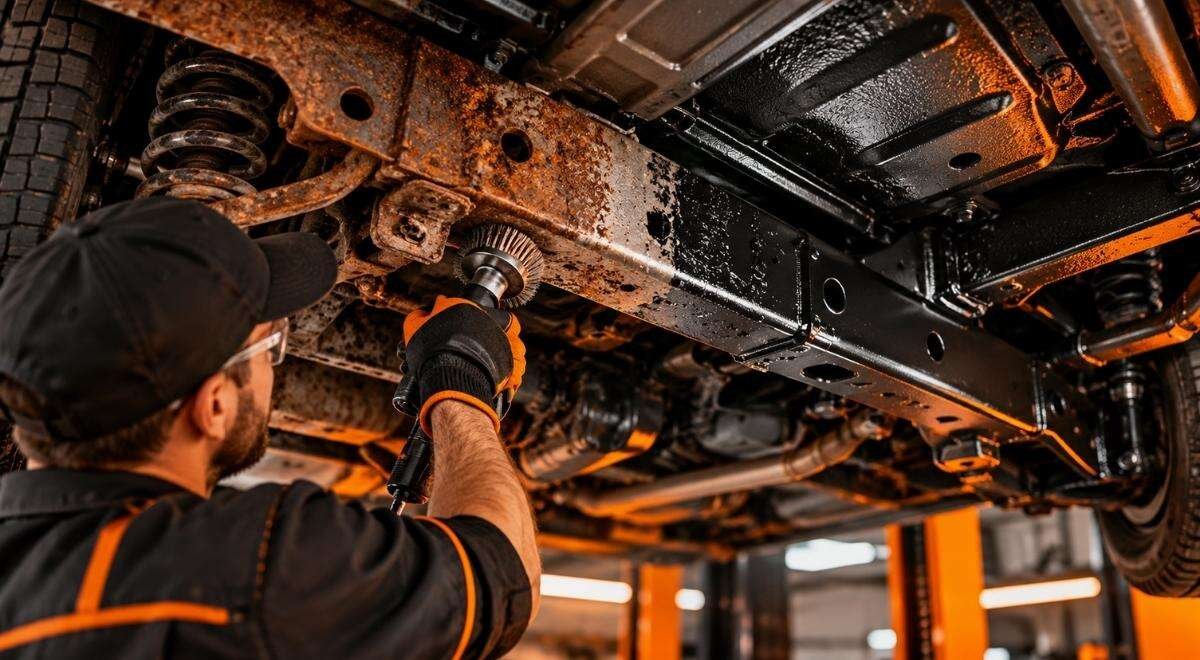
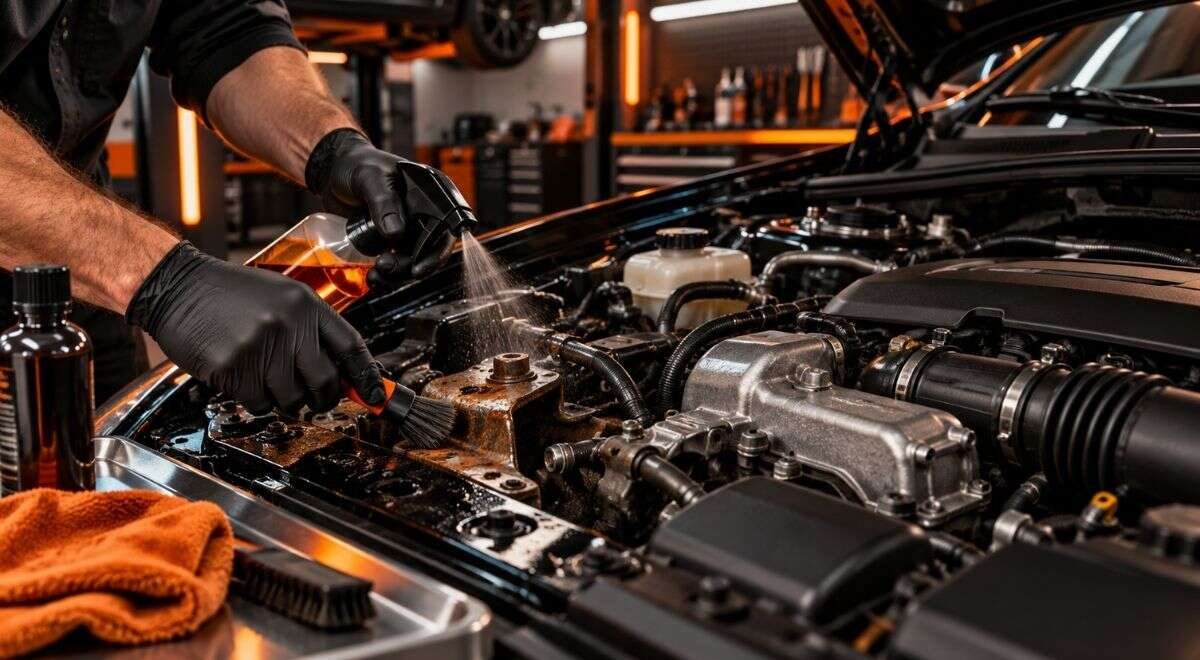
Some corrosion can be assessed and treated with limited access. Other cases may require disassembly and more extensive cleaning to expose the structure. Frame-off work is a way to access and prepare vehicle structure; it is not, by itself, a structural repair. Removing rust or old coating can make inspection and repair preparation possible, but it cannot replace metal already lost to corrosion.
Before approving a teardown, ask what it is intended to reveal and how newly discovered damage will be handled. The written scope should distinguish disassembly, rust removal, inspection, structural repair, and post-repair protection. These steps can belong to one restoration project, but they do different jobs. A quote limited to removal and preparation should not be mistaken for a quote that includes frame repair.
Sandblasting is one way to remove corrosion and coatings from accessible surfaces, but the process and access determine what can be reached. Ask how the shop will treat areas that remain inaccessible and whether the work is intended to prepare the vehicle for inspection, repair, or later protection. For health and safety context, OSHA describes serious health effects associated with respirable crystalline silica and provides information on silica-related hazards. Owners should ask a shop to explain its blasting process and controls rather than treating abrasive blasting as a casual do-it-yourself shortcut.
When a thorough teardown and preparation are part of the plan, frame-off rust removal describes the related rust-removal work. Confirm with the repairer whether the proposed scope also includes inspection, structural repair, and corrosion protection, or whether those are separate decisions.
Plan protection after the structure is addressed
Once structural work is complete, the repair plan should account for exposed or newly prepared metal and consider accessible surrounding seams or cavities where appropriate. Protection belongs after the metal has been inspected and repaired, not over unresolved corrosion. The suitable product and application depend on the vehicle, the condition of the surface, and the repairer’s instructions.
Before collecting the vehicle, ask which areas were protected, which could not be reached, and whether any coating requires later inspection or renewal. Keep the inspection notes, estimate, and repair records with the vehicle. They help a future technician or buyer understand what was repaired and where to look if the area needs attention again.
Corrosion protection is a separate decision from repairing an already weakened frame. For a vehicle whose condition is suitable for treatment, Bay State Rust Prevention uses WaxOyl for vehicle corrosion protection, including seams, panels, joints, and cavities. The site’s rust prevention undercoating page explains that related service; confirm the vehicle’s condition and any recent repair make it appropriate before arranging treatment.
Choose the next step from evidence, not appearance
If you find scaling, a hole, or an old patch, do not decide from appearance alone that the vehicle is either safe or beyond repair. Request an assessment that identifies the affected structure, checks the surrounding metal, and explains how the proposed method relates to the vehicle. If the shop cannot state what it inspected or why its plan fits the damage, pause and seek another assessment.
For buyers, make the purchase decision contingent on clarifying structural concerns rather than relying on a coating, seller assurance, or recall lookup. For owners planning restoration, ask for a scope that separates access and rust removal from structural repair and final protection. For a fleet or work vehicle, keep the findings and repair records tied to the individual vehicle so that later decisions are based on its documented condition.
Bay State Rust Prevention provides vehicle corrosion assessment, rust removal through sandblasting, frame-off disassembly, and automotive frame repair for vehicle owners across Worcester and Central Massachusetts. To discuss whether an assessment or restoration is the appropriate next step, visit baystaterustprevention.com.